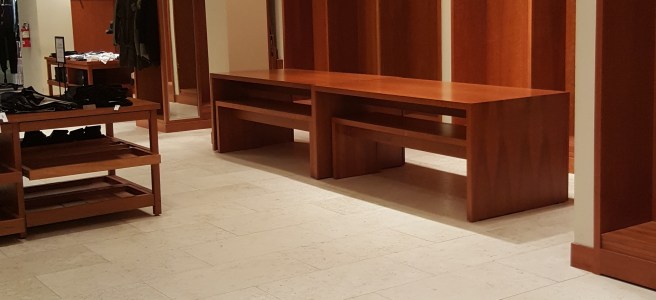
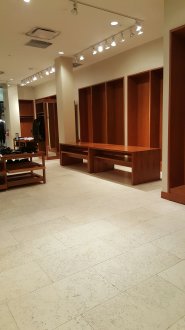
The realm of retail has taken a turn into uncharted territories. Many stores are closing up the brick and mortar locations in major cities, including my beloved J.Crew. I’ve worked in fashion(retail) for 12 years, where I’ve seen many fashion trends come and go. Some I’ve been very excited about and have made it their way into my wardrobe, for example my fondness of sequin pencil skirts. Then there are the trends that I cringe at and I am waiting for the fad to be over ..ie…..the cut out shoulder on everything and the questionable placement of ruffles. Despite individual retailers launching their version of the latest trends and neglecting their iconic image; there are many other attributing factors that have resulted in the amount of stores closing their doors
Chasing the trend: Once upon a time, individual retailers were known for their particular “it item” Gap was the place for jeans and khakis, Anne Taylor, it was women’s suiting, J.Crew the classics in bold colours and patterns . Yet, some where along the way these brands started to chase the ever changing tastes of the millennials while losing their identity and alienated the core customer that placed them on the fashion map.
Quality: What goes up must come down and unfortunately quality is usually the first thing to be subtracted from equation of products when a brand is struggling yet the prices stayed the same or even increased by 25% or more and that has the customer thinking, “what happened?” Customers feel “if I’m getting less quality, I should pay less money for the product”. I personally am guilty of this; being in this industry as long as I have, you begin to see where designers start to cut corners and fabric is usually the first place customers notice a shift in a brand. When I first noticed this, I started to look for the look I wanted for less, which was easy since every retailer has begun to look similar and encourages me to shop up a coming fashion labels. When you know that the quality of your favorite store is going down hill, it becomes harder to justify spending silk prices for polyester product. And this is the hard reality.
Technology: Technology has become an inevitable addition to our way of life. However, retailers where slow to incorporate technology. Online shopping opened the brand to a broader market but brick and mortar stores were late incorporating the online shopping and when they did, it wasn’t always a positive experience. For example, some retailers offered a cheaper price online and would not price match, forcing the customer to purchase online. “Ship to store for free” is an option that definitely gets me into the stores, however, I feel like this was an option offered too late for some retailers then trying to play aggressively encourage the “ship to store for free” without having the balance of available product in both stores and online. Another change that really hurt stores was “online only option” There were so many times that I saw an item that looked really cute but was “online only”, it limited the shopping experience for customers (in my opinion). I’m a fashionista that likes the feel and try my garments. Oh and colour, let’s not forget colour! So many items are “off” in colour and too many times I’ve returned items for customers because colour didn’t match the online image. Technology has really changed the world of retail for both the positive and negative. The world is now at our finger tips and we can learn and be exposed to so much information. however, it has also limited our human experiences with the world and altering our view on so much that is happening including the way consumers shop.
Ultimately, what is really hurting retail… is brands not understanding the demographics and not listening to the employees regarding feedback about the customers thoughts and concerns about product which has created a negligence customer relationship and a lack of brand loyalty. Fortunately, fashion is cyclical so it is just a matter of time before we see brands going back to basics, re-establishing their beginnings and their relationship with their core customer.




 GENIUNE. Be genuine about the gift. What I mean is pay attention to the details. For example, where do they like to shop, what are their hobbies, favorite candies…

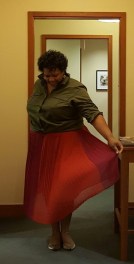
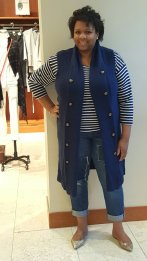
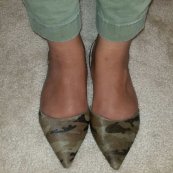


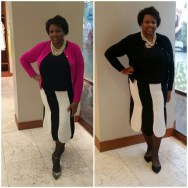
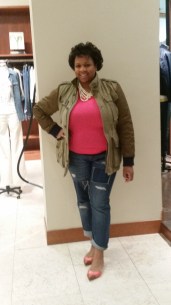
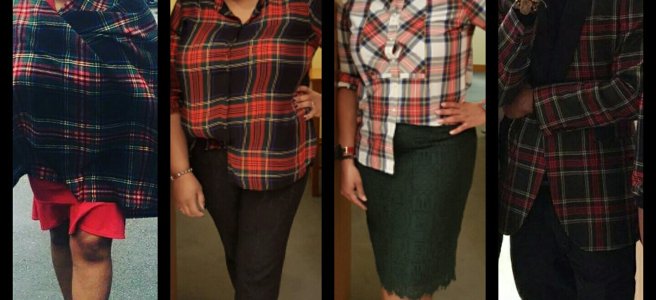
 Business-casual (not just casual) Now, Business casual is the most difficult dress code to define and has been left up to the business and sometimes the individual to interpreted the definition. So, I am here to help clear up the confusion. Now Gentlemen, your business casual look should comprise of khakis, crisp button down and/or sweater. Tie is optional. I will address foot wear in a minute. Ladies….Ladies, we have so many
  dress code options that vary according to the event. Business casual should follow the following: proper fitting pant (skirt at the knee)+ blouse (substitute button down, if need to) + blazer or cadrigan+ statement piece= business casual look. Leggings do not fit into this equation, and truthfully unless you work in personal fitness or in the gym, Leggings ARE NOT acceptable in the work place.
 Style by Syraluna